
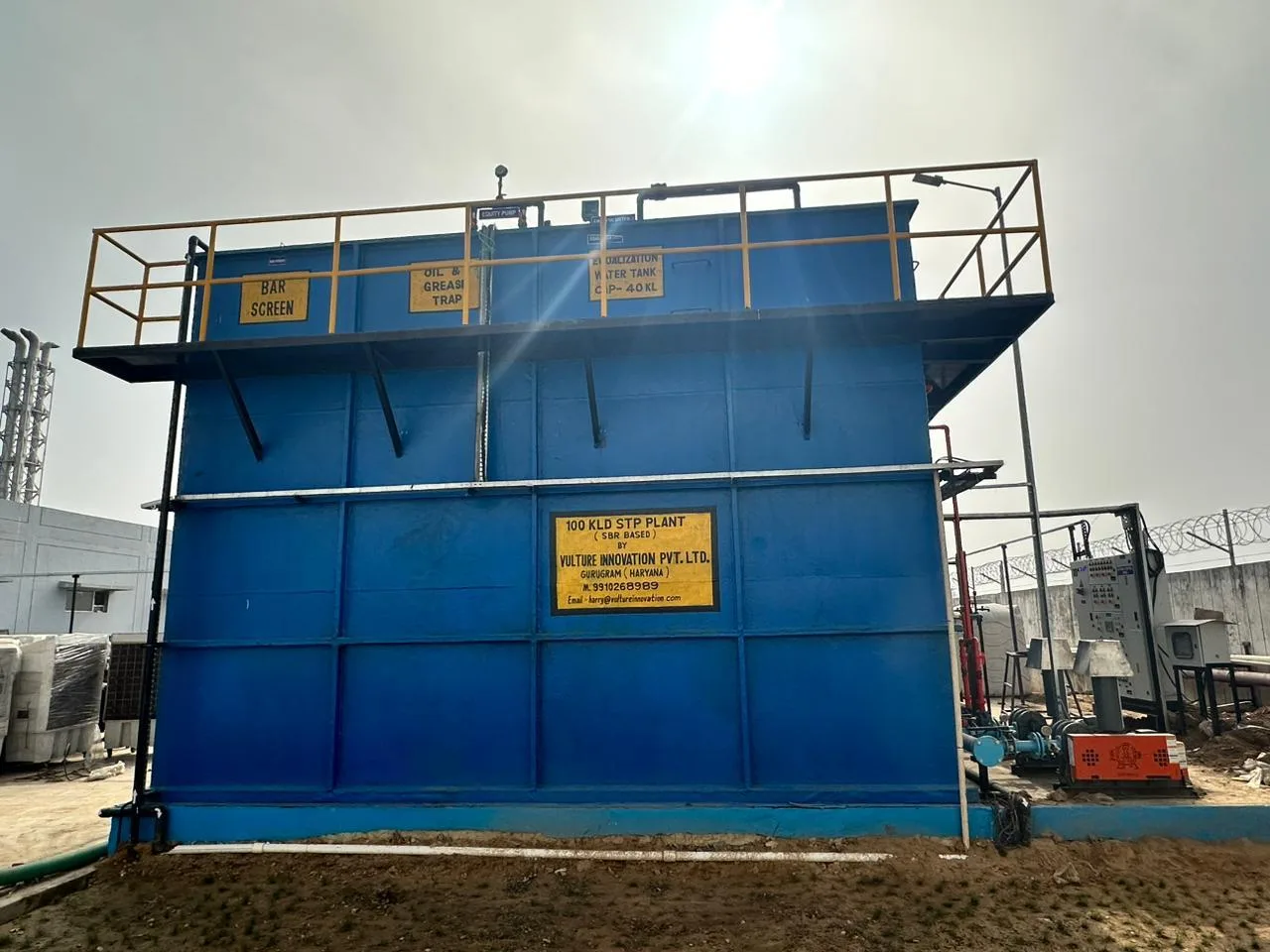
Delhi-NCR faces severe environmental pressure from untreated sewage, industrial effluent, contaminated raw water, groundwater depletion and rapid urban growth. STP, ETP and WTP systems address different parts of this problem and work best when they are correctly designed, operated and connected to the sources they are intended to treat.
1. How STPs Affect Pollution in Delhi-NCR
STPs treat domestic sewage from housing societies, commercial buildings, institutions and municipal networks. Effective treatment helps keep sewage out of drains, groundwater and receiving water bodies.
Preventing Water Pollution
By reducing organic load, suspended matter and contaminants before discharge or reuse, STPs can lower the pollution burden entering local drains and rivers.
Improving Local Air Conditions
Untreated sewage can generate methane, hydrogen sulphide and ammonia. Better collection and treatment can reduce odour and localized emissions associated with unmanaged sewage.
Recycling Water for Non-Potable Use
- Gardening and landscaping
- Cooling towers
- Toilet flushing
- Construction activities
- Firefighting reserves where appropriate
2. How ETPs Reduce Industrial Pollution
Industrial areas around Delhi-NCR generate wastewater that may contain oils, chemicals, dyes, metals and other process-specific contaminants. ETPs are designed to remove or reduce these pollutants before discharge or reuse.
Reducing Chemical Contamination
- Heavy metals
- Oil and grease
- Cyanides and other toxic compounds
- Dyes and colour
- Process chemicals
Protecting Soil and Groundwater
Controlled treatment and disposal reduce the risk of untreated industrial effluent seeping into soil or aquifers.
Supporting Public Health
Reducing contaminated wastewater in the environment can help limit exposure pathways associated with skin, respiratory and gastrointestinal health risks.
3. How WTPs Improve Water Quality
Water Treatment Plants treat raw water from sources such as rivers, lakes and groundwater so it can meet the quality required for its intended use.
Removing Physical and Chemical Impurities
- Suspended solids and turbidity
- Iron and selected dissolved contaminants
- Microorganisms
- Other source-specific impurities addressed by the chosen process
Reducing Pressure on Groundwater
Reliable surface-water treatment and planned reuse can help reduce unnecessary dependence on borewells and over-extraction.
Improving Water Supplied Through Distribution Systems
Consistent treatment and monitoring reduce the chance that inadequately treated water enters downstream distribution networks.
4. Combined Environmental Impact
- Lower wastewater pollution reaching drains and water bodies.
- Reduced odour and gas generation from unmanaged sewage and effluent.
- Better protection of groundwater and soil.
- More opportunities for treated-water reuse in parks, cooling, construction and other non-potable applications.
5. Current Challenges
Under-Utilized Treatment Capacity
Treatment plants cannot perform as intended when sewer connections, collection systems or inflow management are incomplete.
Outdated or Poorly Operated Technology
Old equipment, weak maintenance and incorrect operating practices can reduce treatment quality even when installed capacity exists.
Illegal or Uncontrolled Discharge
Small or unregistered facilities may bypass treatment requirements, creating localized industrial pollution risks.
Population and Infrastructure Growth
Rapid growth continually increases sewage generation, industrial wastewater and demand for treated water.
6. Modern Technologies That Can Improve Performance
- MBBR (Moving Bed Biofilm Reactor)
- SBR (Sequencing Batch Reactor)
- UF and RO filtration where appropriate
- Sludge dewatering
- Online and IoT-enabled monitoring
7. Why Reliable STP, ETP and WTP Systems Matter
- Support compliance with applicable CPCB, DPCC and other regulatory requirements.
- Reduce environmental impact and pollution risk.
- Lower water-consumption costs through appropriate reuse.
- Improve operational resilience and sustainability performance.
- Reduce the risk of penalties caused by unmanaged wastewater.
Conclusion
STP, ETP and WTP systems address different but connected environmental challenges. Their real impact depends on correct design, adequate capacity, proper collection networks, reliable operation, regular monitoring and timely maintenance.
Turn insight into a practical environmental solution.
Explore Vulture Innovation’s solid-waste, sewage, water and industrial-effluent treatment capabilities.