
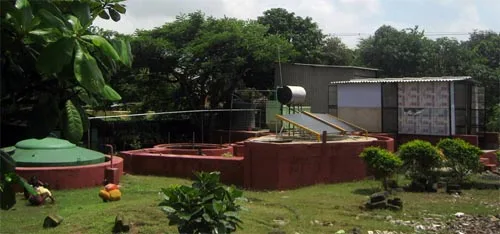
Organic composting turns biodegradable material into a stable, nutrient-rich soil amendment through controlled biological decomposition. The same basic natural process can be adapted for homes, communities and large commercial or industrial waste streams.
What is the Composting Process?
Composting creates conditions in which bacteria, fungi and other organisms break down organic matter. Air, moisture, temperature, particle size and the balance of carbon-rich and nitrogen-rich materials all influence the process.
Key Benefits of Composting
1. Helps Protect Soil
Well-made compost can improve soil structure, infiltration and erosion resistance.
2. Supports Healthy Plant Growth
Compost returns organic matter and nutrients to soil and can support stronger plant growth when used appropriately.
3. Reduces Solid Waste
Diverting food and garden waste from disposal reduces the volume of biodegradable material sent to landfill.
4. Supports Water Retention
Organic matter can improve the ability of soil to retain moisture and manage water more effectively.
Organic Waste Composting Machines
Mechanical composting systems can improve handling, shredding, mixing, aeration and process control. The appropriate machine and curing system depend on waste type, daily quantity, available space and the desired operating model.
Composting Methods
1. Aerobic Composting
Uses oxygen and microorganisms to break down organic material.
2. Windrow Composting
Organic material is arranged in long rows that are turned or aerated during decomposition.
3. Open Windrow Composting
A larger-scale method involving shredding, mixing, piling, turning and aeration.
4. Natural Composting
Relies on biological decomposition under managed environmental conditions.
5. Poultry Manure Composting
Manages manure through controlled mixing, moisture and decomposition.
6. Bio Composting
Uses biological activity to convert organic material into a humus-like compost.
7. Vermicomposting
Uses worms to transform suitable organic material into vermicompost.
8. Industrial Composting
Uses larger controlled systems for collection, processing, aeration, curing and output handling.
9. Micro Composting
Uses microorganisms, moisture and heat in smaller-scale controlled processes.
10. Biological Composting
A controlled biological process for stabilizing organic materials.
11. Solid-Waste Composting
Converts suitable biodegradable solid waste into a soil-conditioning material.
12. Food-Waste Composting
Processes segregated food waste using suitable biological and mechanical methods.
How to Accelerate the Composting Process
Faster, more reliable composting depends on suitable feed preparation, controlled moisture, oxygen, temperature, particle size and an appropriate carbon-to-nitrogen balance. Mechanical systems can help standardize several of these conditions.
Factors Affecting Composting
- Moisture
- Temperature
- Aeration
- Nutrient balance
- Particle size
FAQs
What is the basic principle of composting?
It is the managed biological decomposition of organic material by microorganisms.
What are the broad stages of composting?
A typical process moves through an initial active phase, a higher-temperature phase, a cooling phase and a curing or finishing phase.
Turn insight into a practical environmental solution.
Explore Vulture Innovation’s solid-waste, sewage, water and industrial-effluent treatment capabilities.