
Vulture Innovation Journal
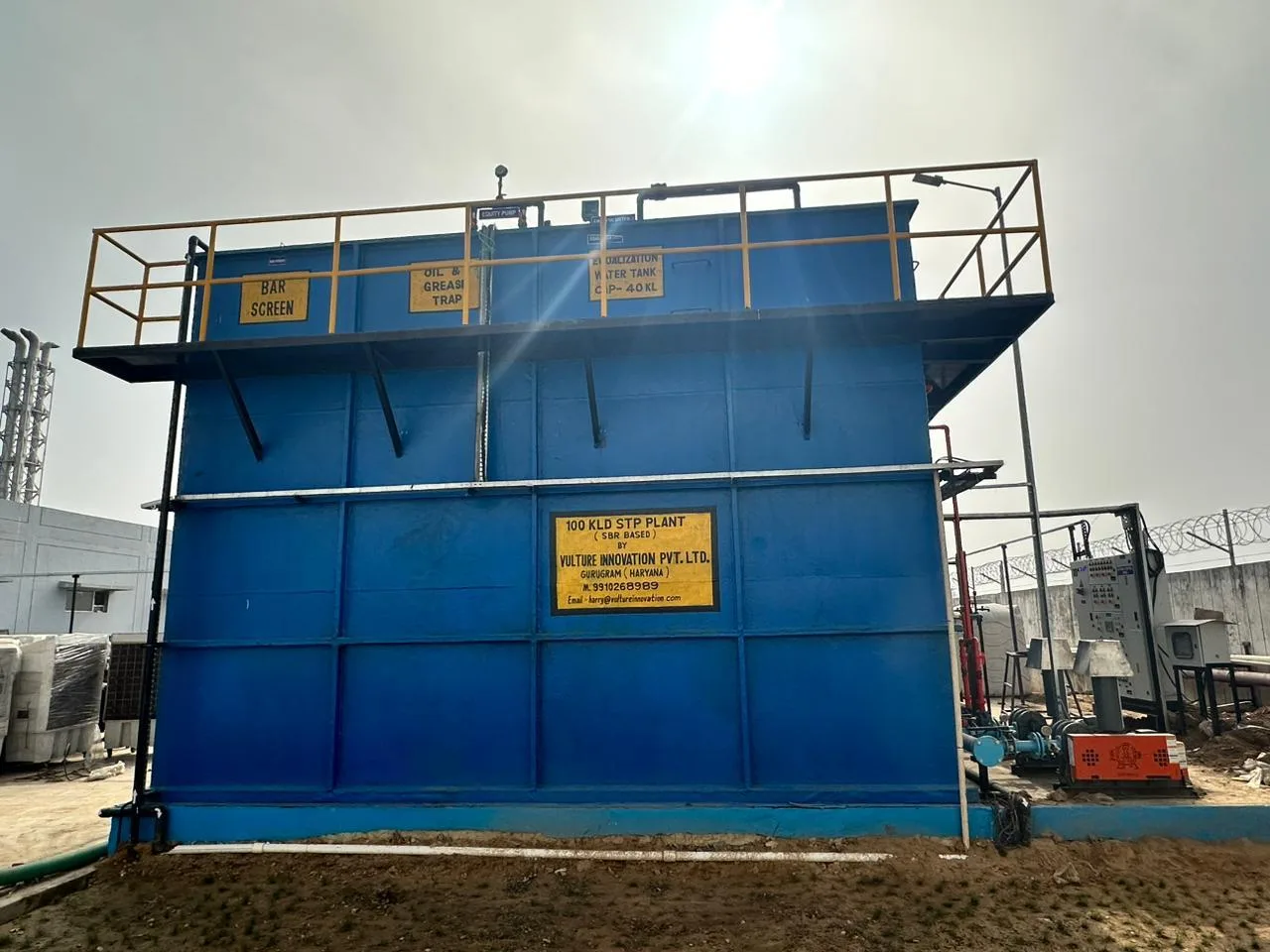
A Sewage Treatment Plant treats domestic wastewater through a controlled sequence of separation, biological treatment, clarification and polishing.
Understanding the sewage treatment plant process helps building owners, industries, institutions and facility teams operate STPs more reliably and plan appropriate reuse of treated wastewater.
What is Sewage?
Sewage is wastewater generated mainly from toilets, washrooms, kitchens, bathing, washing and similar domestic activities. It contains water together with suspended matter, dissolved substances, organic load, nutrients and microorganisms. If it is released without adequate treatment, it can contaminate drains, surface water and groundwater and create odour and public-health problems.
What is a Sewage Treatment Plant?
A Sewage Treatment Plant (STP) receives domestic wastewater and removes contaminants through physical and biological processes, with additional polishing where required. The treated water is commonly reused for suitable non-potable applications such as flushing, gardening, cooling or other approved purposes. Producing drinking water requires substantially more advanced treatment, validation and regulatory control than a conventional STP provides.
Sewage Treatment Plant Process: Step by Step
1. Preliminary Treatment
Incoming sewage first passes through screens that remove rags, plastics and other large debris. Grit removal protects pumps and tanks from sand and dense inorganic particles. At sites where grease is significant, a grease-removal step may also be included.
2. Primary Treatment
Primary settling allows heavier suspended solids to settle and lighter floating material to be separated. Removing part of the solids load before biological treatment reduces the burden on later stages. The settled material becomes part of the sludge stream and must be handled separately.
3. Secondary Biological Treatment
The secondary stage targets biodegradable organic pollution. Microorganisms consume dissolved and fine organic matter under controlled conditions. Aerobic systems supply oxygen through diffusers or mechanical aeration. Common STP technologies include activated sludge, MBBR and SBR, each with different operating characteristics and space requirements.
4. Secondary Clarification
After biological treatment, the mixed water and biological solids are separated in a clarifier or through the separation step built into the selected process. Part of the biomass may be returned to maintain the biological system, while excess sludge is removed for handling.
5. Tertiary Treatment
Tertiary treatment improves the final quality where reuse or discharge requirements demand it. This can include pressure sand filtration, activated carbon, membrane filtration or other polishing technologies. Process selection should be based on required outlet parameters and actual site conditions.
6. Disinfection
Disinfection reduces microorganisms before treated water is stored or reused. Chlorination, ultraviolet systems or other approved approaches can be used according to design requirements. Disinfection works best after suspended solids have already been controlled.
7. Sludge Management
Screenings, settled solids and excess biological sludge must be collected and managed properly. Sludge thickening and dewatering reduce volume, while final disposal or further processing should follow applicable local requirements.
Why the Sewage Treatment Process Is Important
Helps Prevent Water Pollution
Treatment reduces the organic and suspended pollution that would otherwise enter drains, lakes, rivers or groundwater.
Supports Water Reuse
When treated water meets the required quality, it can reduce freshwater demand by replacing potable water in selected non-drinking applications.
Improves Site Hygiene and Odour Control
Proper collection, aeration, sludge removal and housekeeping help prevent septic conditions and nuisance odours associated with unmanaged sewage.
Supports Environmental Compliance
Routine monitoring of inlet and outlet parameters helps facilities understand whether their STP is performing as designed and whether corrective action is required.
Common Uses of Treated STP Water
- Landscape irrigation and gardening where permitted
- Toilet flushing
- Cooling-tower makeup after suitable polishing
- Construction and floor-cleaning applications where appropriate
- Other non-potable uses allowed by the applicable standards and site requirements
What Determines STP Performance?
Performance depends on correct hydraulic and organic loading, regular aeration, healthy biomass, sludge control, adequate disinfection and preventive maintenance. Long periods of under-loading, sudden chemical discharge, blocked screens, failed blowers or poor sludge wasting can reduce treatment quality. Operators should maintain logs, test key parameters and respond to changes in colour, odour, dissolved oxygen and outlet quality.
Final Thoughts on the STP Process
A reliable STP is the result of good design and disciplined operation. Preliminary removal protects equipment, primary separation lowers solids, biological treatment reduces organic load, clarification separates biomass, and tertiary treatment and disinfection prepare the water for the planned outlet or reuse. Treating each stage as part of one connected process gives more stable results than relying on any single piece of equipment.
FAQs on the Sewage Treatment Process
How does a sewage treatment plant work?
An STP combines physical separation, biological treatment, clarification and, where required, tertiary filtration and disinfection to reduce contaminants in domestic wastewater.
What are the main stages of sewage treatment?
The core stages are preliminary treatment, primary treatment, secondary biological treatment and tertiary polishing. Clarification, disinfection and sludge handling support these stages.
Can treated sewage water be reused?
Yes. If the final water quality is suitable, it can be reused for approved non-potable applications such as flushing, gardening or selected utility uses.
Why can an STP produce bad odour?
Odour can develop when sewage becomes septic because of poor aeration, stagnant zones, excessive sludge, blocked equipment or inadequate housekeeping. Correct operation and maintenance are essential.